Pandemic-Related Anxiety: Understanding the Impact and Seeking Support
The COVID-19 pandemic has brought unprecedented challenges to individuals worldwide, and among the many consequences, pandemic-related anxiety stands out as a significant concern. In this article, we will delve into the causes, symptoms, and effects of pandemic-related anxiety, as well as explore ways to cope and seek support.Causes of Pandemic-Related Anxiety
Uncertainty, disruptions in daily routines, and concerns for the health and well-being of oneself and loved ones during the COVID-19 pandemic are likely associated with increases in generalized anxiety. The ongoing nature of the pandemic has created a sense of uncertainty, making it challenging for individuals to plan and adjust to new circumstances.
Prevalence of Pandemic-Related Anxiety
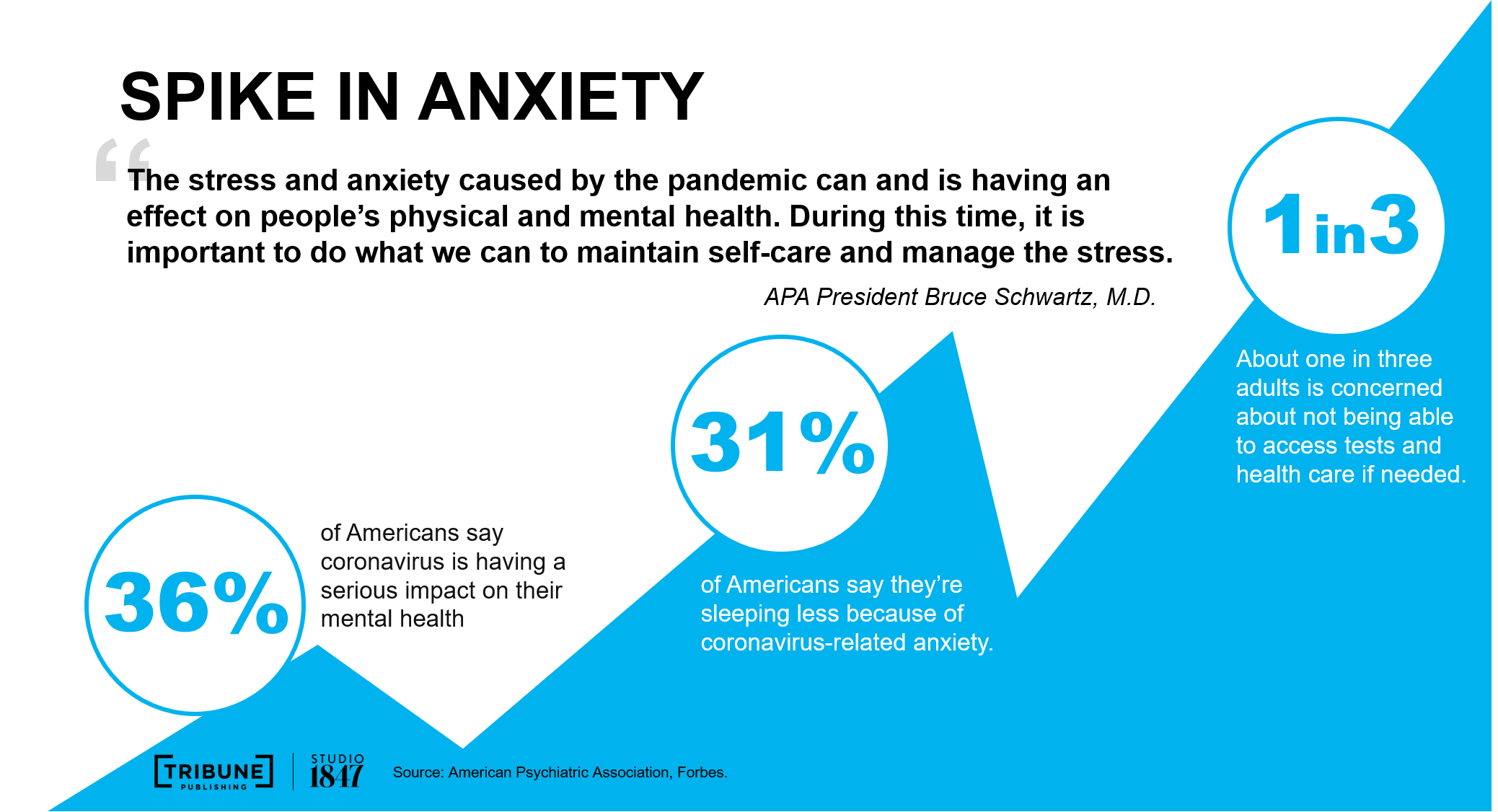
Studies have shown that the pandemic has led to a significant increase in anxiety disorders globally. According to the World Health Organization (WHO), the first year of the COVID-19 pandemic saw a global prevalence of anxiety and depression increase by a massive 25%. Moreover, a systematic review published in The Lancet Psychiatry found that the pandemic led to a 27.6% increase in cases of major depressive disorders and a 25.6% increase in cases of anxiety disorders globally.
Symptoms of Pandemic-Related Anxiety
- Excessive worrying about the pandemic and its consequences
- Fear of infection or contracting the virus
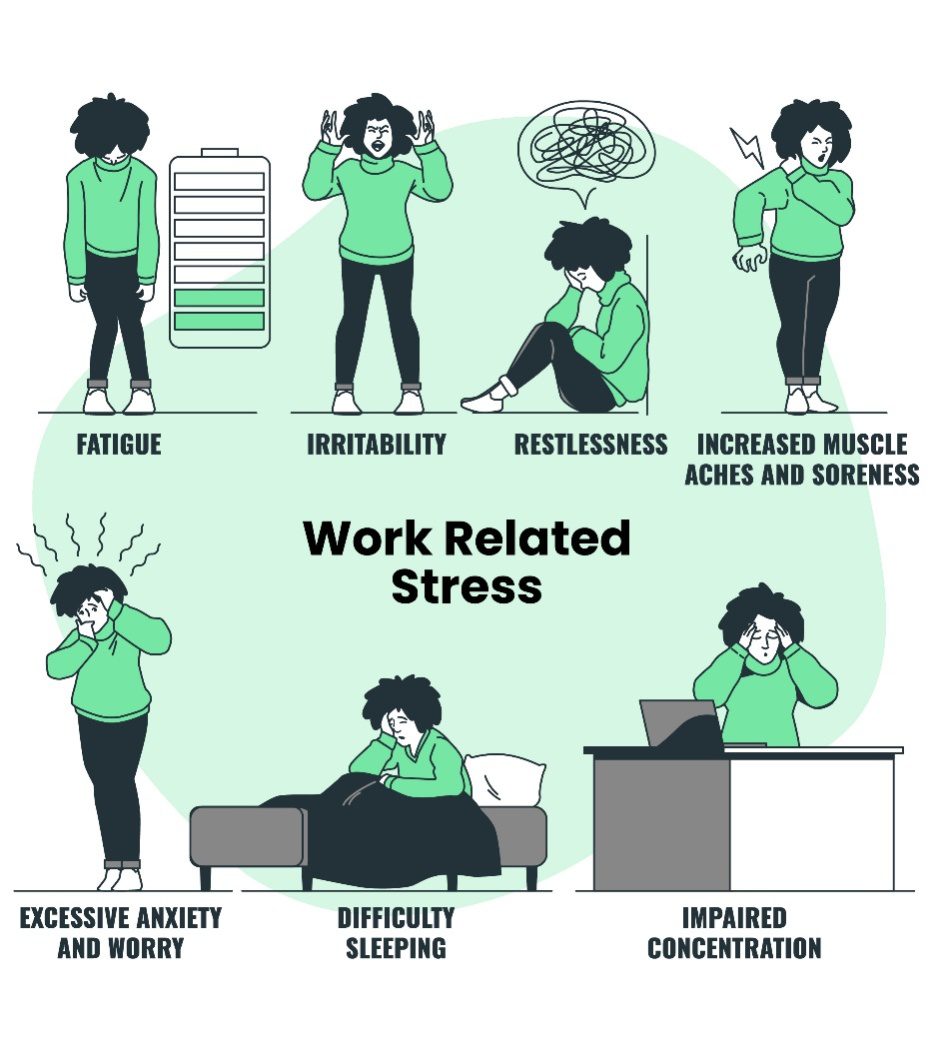
- Difficulty concentrating or making decisions
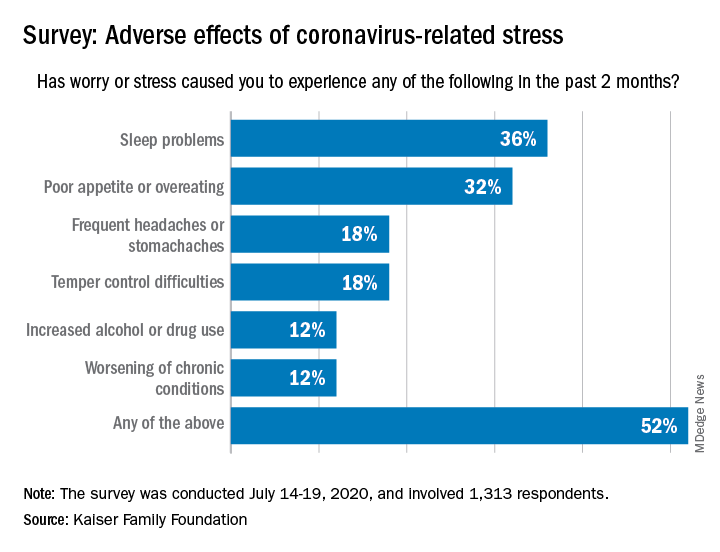
- Physical symptoms such as headaches, fatigue, and sleep disturbances
- Avoidance of places or situations that remind them of the pandemic

Effects of Pandemic-Related Anxiety
Pandemic-related anxiety can have severe effects on an individual's daily life, relationships, and overall well-being. It can lead to:
- Impaired cognitive function and decision-making abilities
- Strained relationships with family and friends
- Difficulty maintaining a healthy work-life balance
- Increased stress and emotional exhaustion
- Long-term mental health consequences, including depression and anxiety disorders
Seeking Support and Coping Mechanisms
Fortunately, there are ways to cope with pandemic-related anxiety and seek support. Some effective coping mechanisms include:
Professional Help
Reaching out to a mental health professional, such as a therapist or counselor, can provide individuals with the tools and strategies needed to manage pandemic-related anxiety.
Self-Care
- Engage in regular exercise, such as walking or yoga
- Practice relaxation techniques, such as deep breathing or meditation
- Establish a healthy sleep routine
- Stick to a balanced diet and avoid excessive caffeine and sugar
Support Networks
- Reach out to friends and family for emotional support
- Join online communities or support groups for individuals experiencing pandemic-related anxiety
- Seek help from trusted healthcare professionals or local health organizations